













导语:Uzbekistan has built its state, developed institutions, formed new partnerships, and created a market economy. Now, the main goal is to turn this progress into higher productivity, stronger institutions, and a better quality of life for everyone.
Uzbekistan at 35: A Strategy for the Next Stage of National Transformation
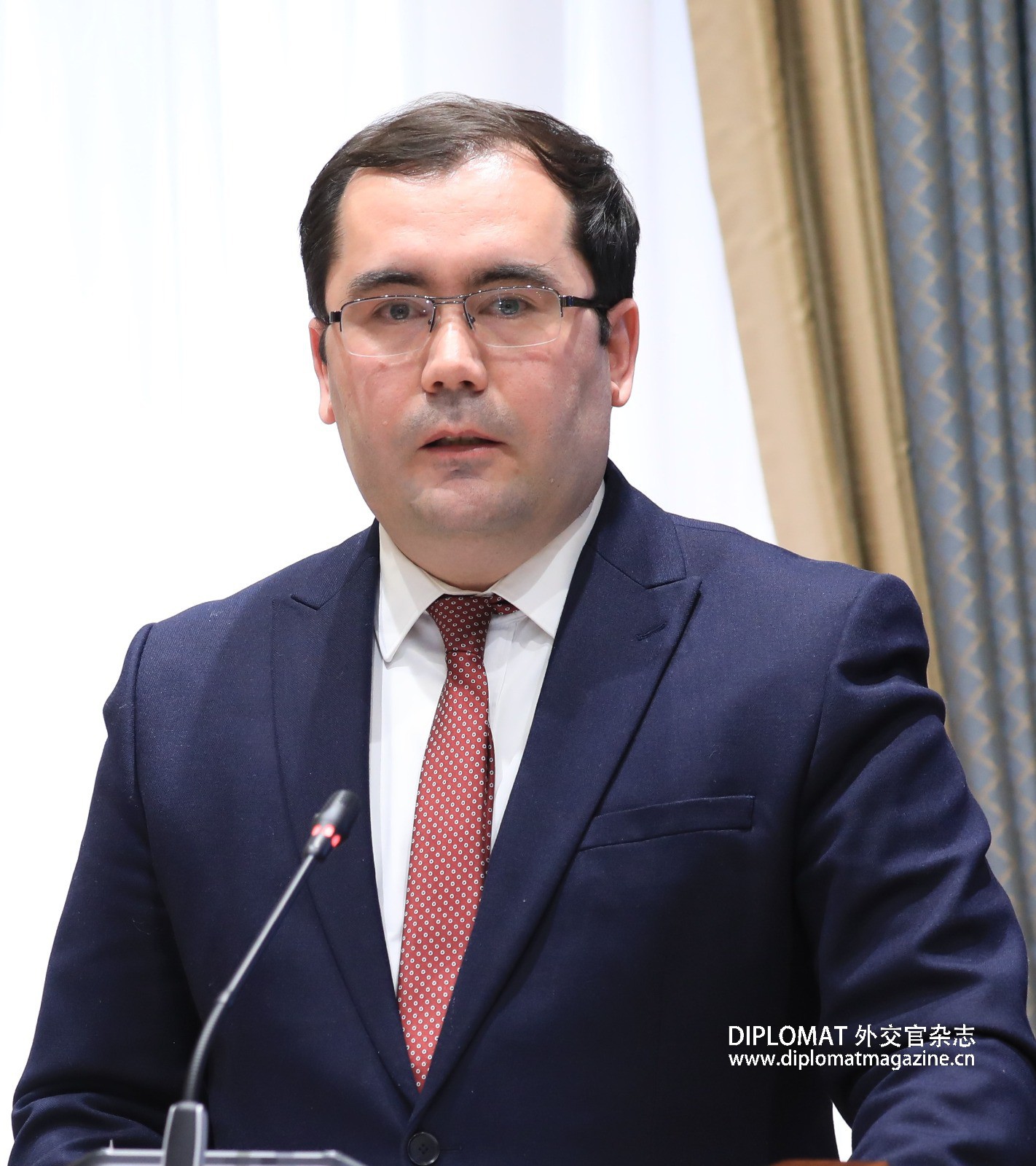
By Eldor Tulyakov
Executive Director, Development Strategy Centre, Uzbekistan
On September 1, 2026, Uzbekistan will mark 35 years of independence. This is a good time to look back at what has been achieved since 1991 and to set goals for the next stage of national development.
Uzbekistan has built its state, developed institutions, formed new partnerships, and created a market economy. Now, the main goal is to turn this progress into higher productivity, stronger institutions, and a better quality of life for everyone.
The updated “Uzbekistan–2030” Strategy is a clear plan for the country’s next stage of development. It sets out long-term goals and priorities throughout economic, social, and institutional areas, creating a unified approach to reforms and modernisation. First adopted in 2023 and updated in 2026, the Strategy guides both domestic policy and international cooperation, offering openness and clear direction for everyone involved.
The Strategy responds to changing markets, new technology, the shift to clean energy, and changing supply chains. It aligns Uzbekistan’s approach with international trends seen in fast-growing economies. By learning from other countries, the updated Strategy keeps policies consistent while adjusting to new global realities, showing Uzbekistan’s resolve to stay competitive in a better-connected world.
Being resilient is just as important as growing. To stay competitive, Uzbekistan needs reliable transport, secure energy, strong technology, and safe food and water supplies, as well as the ability to handle outside challenges.
Uzbekistan faces challenges as a doubly landlocked country, such as water shortages and a young population looking for jobs. Still, its location also offers chances to become a centre for industry, transport, investment, and technology, linking markets across Eurasia.
The Strategy has three main goals: keep the economy growing, improve growth by using technology, boost exports and use resources better, and make sure reforms help people directly.
One key change is the new “goal–action–result” model. This ensures the Strategy’s goals align with what actually happens. Progress is measured using clear indicators linked to the budget, sector programs, and regional plans, with government leaders held responsible. This way, the Strategy acts as a tool for planning, implementing, monitoring, and ensuring results are delivered.
By 2030, Uzbekistan wants to increase its GDP to over US$240 billion and raise GDP per person to US$5,800. The aim is not just growth, but also higher productivity and more value created at home, moving the country toward upper-middle-income status.
The economic plan focuses on improving industry, attracting quality investment, growing exports, supporting private businesses, and using more digital tools. Uzbekistan aims to depend less on raw material exports by increasing local processing, advanced manufacturing, and joining value chains. By 2030, industrial value added should reach US$60 billion.
The investment policy will focus on both quality and size. More than 400 major tech and infrastructure projects worth US$150 billion are planned. These projects seek to bring in new technology, create jobs, build local skills, and boost exports. Exports of goods and services are expected to reach US$67 billion. More companies should start exporting, and finished or semi-finished products will make up 70 per cent of exports. To reach these goals, Uzbekistan will need to meet international standards, have good logistics, secure trade finance, and access foreign markets.
Private business is also a key focus. By 2030, small businesses and private companies should make up 60 per cent of GDP, and state monopolies in some sectors will be removed. This means the government will be less directly involved and will focus more on clear rules, good infrastructure, and equitable competition.
Digital tools will help support this plan. Uzbekistan wants to grow digital-service exports to US$5 billion and train millions of people in digital and AI skills. AI should help raise productivity in manufacturing, farming, healthcare, education, transport, public services, and city management.
Economic change also depends on people. The Strategy aims for 80 per cent preschool coverage, modern schools, digital access to university resources, and 12,000 researchers in key areas. Uzbekistan also wants to be among the world’s top 60 innovation economies.
In healthcare, Uzbekistan wants to raise life expectancy to 78 years, focus more on prevention, improve access to treatment, and lower maternal and infant deaths. Healthier and better-educated people will help drive productivity and reliable demand.
Green development is also important. By 2030, renewable energy should provide 54 per cent of electricity, with total capacity reaching 25 gigawatts. The goal is to cut greenhouse gas emissions per unit of GDP by 35 per cent compared to 2010.
Water security is important. Uzbekistan plans to use water 25 per cent more efficiently, adopt better water-conserving technologies, and modernise irrigation. In Central Asia, water is linked to economic, social, and food security, so innovation and working with neighbours are very important.
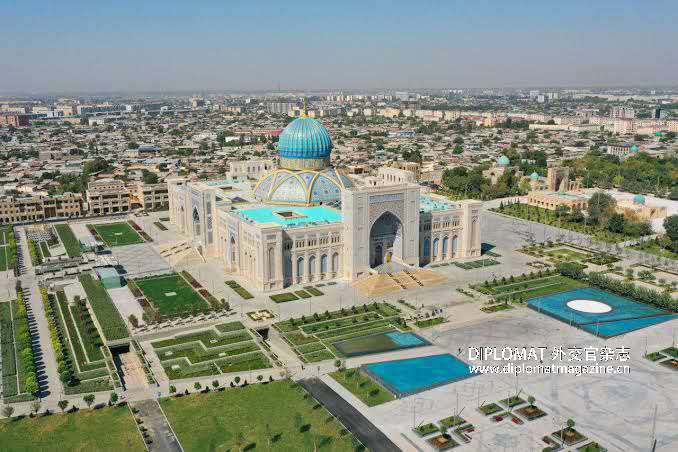
The Strategy puts Central Asia at the heart of foreign policy. Uzbekistan wants to raise trade with neighbours from about US$10 billion to US$15 billion by 2030, and also strengthen industrial cooperation, transport links, energy connections, and cross-border ties.
For China and other partners, these priorities open up opportunities in industry, renewable energy, digital technology, transport, education, agriculture, and water management. Outside investment and technology are most helpful when they support local development, skill-building, and creating value within Uzbekistan.
As Uzbekistan celebrates 35 years of independence, it faces a demanding period of reform. Progress will be judged more by how well changes are implemented than by how many programs are started. Success will require overcoming issues like resistance to change, limited capacity, and the need to bring different groups together. Spotting these problems is essential to make sure reforms lead to real results.
The “Uzbekistan–2030” Strategy denotes a move from managing processes to focusing on results, from relying on resources to building an industrial and tech-driven economy, and from scattered efforts to an integrated national plan. For government agencies, this means adopting results-based management and working more closely together. Private businesses will benefit from more competition and clearer rules, making it easier to grow. International investors can expect more disclosure and better chances to join key sectors. For regional partners, the Strategy encourages more economic integration and joint projects. Overall, it functions as both a roadmap for Uzbekistan’s future and a way to work with others to build a more innovative, sustainable, and open country.